
If you’ve ever given your dog a chew and thought, “Why did that disappear in 2 minutes?” or “Why won’t they touch this?”—you’re not alone.
The truth is, not all dogs chew the same way. And choosing the right chew isn’t just about size or breed—it’s about understanding your dog’s chewing personality.
Once you know your dog’s style, you can choose chews that are safer, longer-lasting, and more satisfying.
The 4 Main Chewing Styles
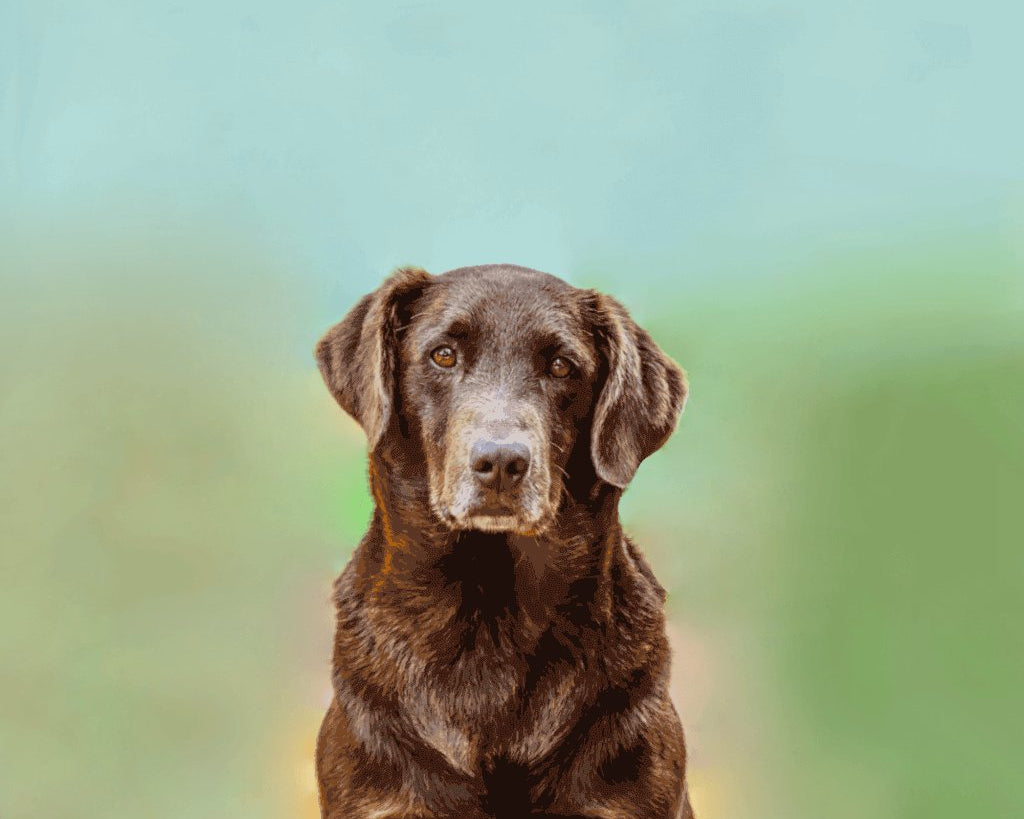
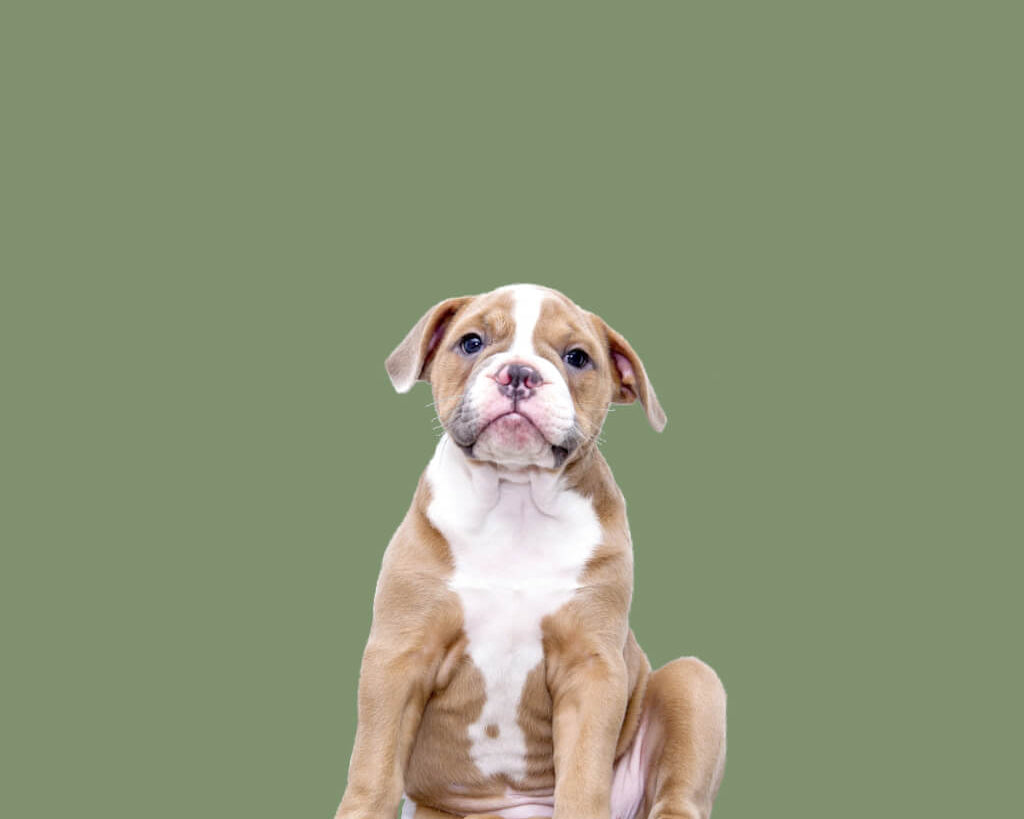
1. The Power Chewer
“Destroy first, ask questions later.”
These dogs:
- Tear through chews quickly
- Love resistance and toughness
- Often try to break pieces off
Common signs:
- Finishes chews in minutes
- Prefers harder, denser textures
- Strong jaw, high drive
Best chew types:
- Dense, long-lasting chews (like tendons, bully sticks, scapula cartilage)
- Larger sizes to prevent quick consumption
What to avoid:
- Thin or soft chews—they’ll be gone instantly
Goal: Give them something that lasts and keeps them engaged safely.
2. The Anxious Chewer
“Chewing helps me relax.”
These dogs:
- Chew to self-soothe
- Often use chews during stressful times (alone, storms, new environments)
Common signs:
- Seeks out chews when nervous
- Repetitive chewing behavior
- May ignore toys but focus on chews
Best chew types:
- Medium-density chews that last but aren’t frustrating (like thinner bully sticks, trachea chews, tendons)
- Something consistent and reliable
What to avoid:
- Extremely hard chews that create frustration
Goal: Provide calming, predictable chewing experiences.
3. The Boredom Chewer
“I just need something to do.”
These dogs:
- Chew when under-stimulated
- Lose interest quickly if the chew isn’t engaging
Common signs:
- Starts chewing, then walks away
- Rotates between toys and chews
- Gets into trouble when not occupied
Best chew types:
- Variety! Rotate different textures and types
- Moderately long-lasting chews
What to avoid:
- Giving the same chew every time
Goal: Keep things interesting and mentally stimulating.
4. The Gentle Grazer
“I’ll take my time, thanks.”
These dogs:
- Nibble slowly over long periods
- Rarely try to break pieces off
Common signs:
- A single chew lasts days
- Light, careful chewing style
- May be picky
Best chew types:
- Softer, more approachable chews (like freeze dried lung or beef treats, chicken chews)
- Smaller sizes (they don’t need extreme durability)
What to avoid:
- Very hard chews that feel like “too much work”
👉 Goal: Make chewing enjoyable, not a chore.
Why Chewing Style Matters
Choosing the wrong chew can lead to:
- Frustration (too hard or too easy)
- Safety risks (too small or too breakable)
- Digestive issues (too much, too fast)
- Wasted money (ignored chews)
But when you match the chew to your dog’s style:
- They stay engaged longer
- Chewing becomes safer
- You support natural behavior
- You get more value from every chew
How to Figure Out Your Dog’s Style
Ask yourself:
- Do they destroy or savor chews?
- Do they chew more when stressed or bored?
- Do they lose interest quickly or stay focused?
Most dogs fall into one category—but some are a mix.
For example:
- A bored and powerful chewer needs durable + rotating options
- An anxious grazer needs consistent + easy-to-work chews
Match the Chew to the Moment
Your dog’s chewing style can change depending on the situation.
Try matching chews to their needs:
- After a long walk → longer-lasting chew
- During alone time → calming, moderate chew
- For enrichment → something novel or different
The Bottom Line
Not all chews are created equal—and not all dogs use them the same way.
Understanding your dog’s chewing style helps you:
- Choose safer options
- Improve their experience
- Get better results from natural chews
Because the best chew isn’t just “high quality”—it’s the one that fits your dog.